
Problem
A storefront needs to express the brand and support sales. A ready-made theme can constrain its identity, while adding conversion features afterwards can leave every campaign dependent on a developer.
Solving this for one store is one challenge. Doing it for dozens of brands while maintaining each theme with a team is another. Forty separate themes, each dependent on individuals and its own conventions, are difficult to sustain.
Solution
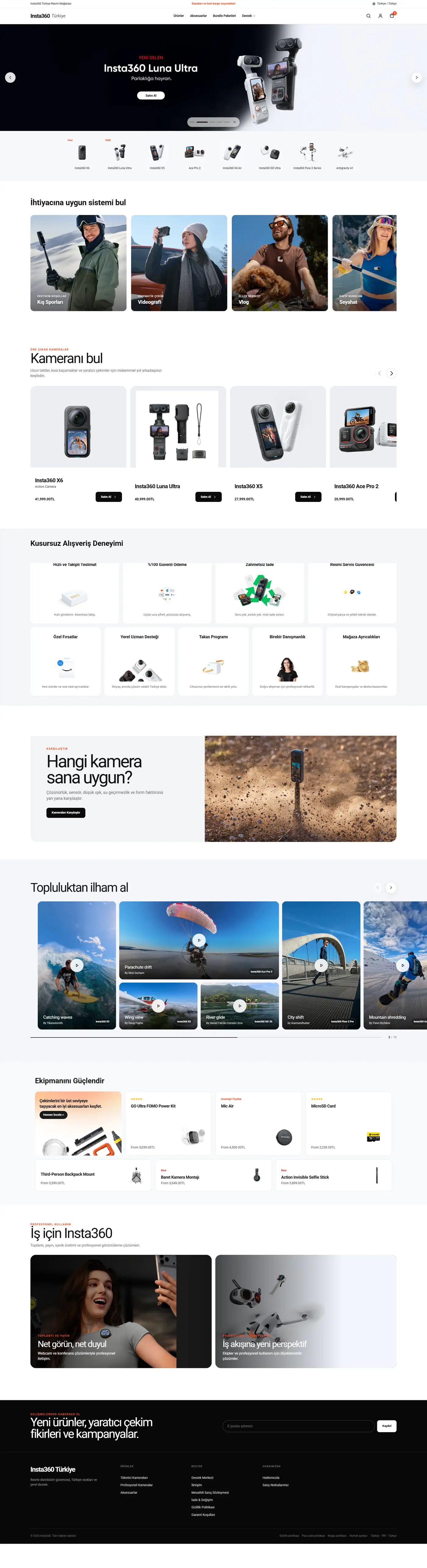
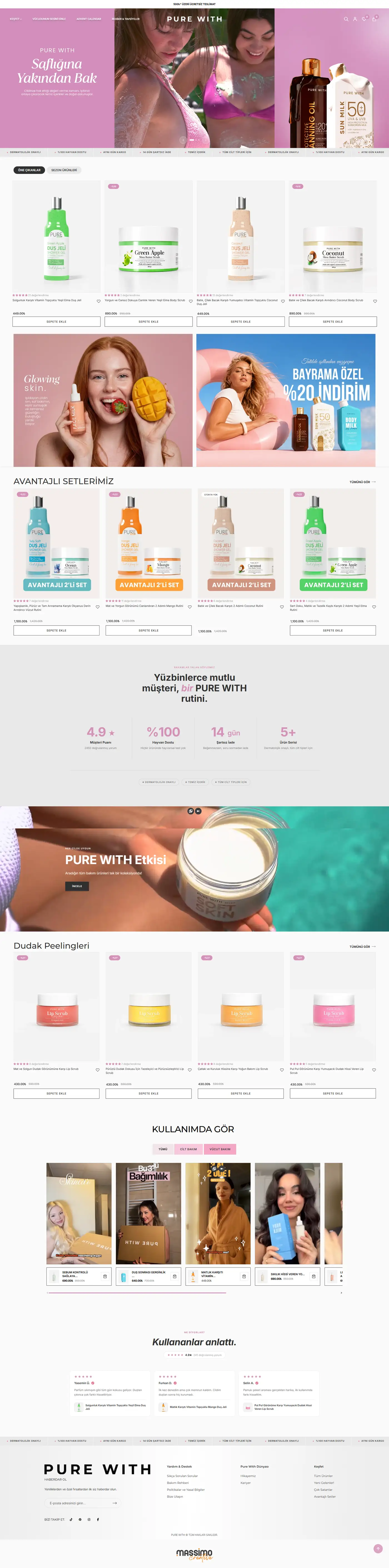
Across agency and freelance work, I developed more than 40 custom Shopify themes, including over 35 at Massimo Medya. Each was designed around the brand's visual identity, content model, user experience and commercial needs, with a shared engineering approach.
The central approach is to translate brand positioning and marketing language into conversion-focused shopping journeys. In practice, landing pages, bundles, upsells, cross-sells, cart experiences and trust signals become part of the theme architecture from the outset.
The technical foundation uses Online Store 2.0 sections, metafield and metaobject models, theme app extensions and AJAX carts. Campaigns are defined in the content model, allowing the marketing team to make most changes without waiting for a developer. Shopify's B2B capabilities support brands that need them. Performance and Core Web Vitals are acceptance criteria from the start.
Code review and release approval structure the team's work. Task allocation and version control help a team of two to four keep the themes consistent.
Result
More than 40 brand themes are live, and this approach supports daily technical operations for 22 active brands. Shared architecture makes onboarding a brand easier and allows most campaign changes without developer intervention.